


_2019-06-21.jpg)


.jpg)
Tokyo
Starts 41 m, finishes 3 m above sea level
Issue 03 · 25 September 2026
Eight marathons, from Tokyo to New York. Where they came from, why records fall in only three of them, what it takes to run them all, and what the shoes changed.
Tokyo
Finished. Won by Tadese Takele in 2:03:37 and Brigid Kosgei in 2:14:29.
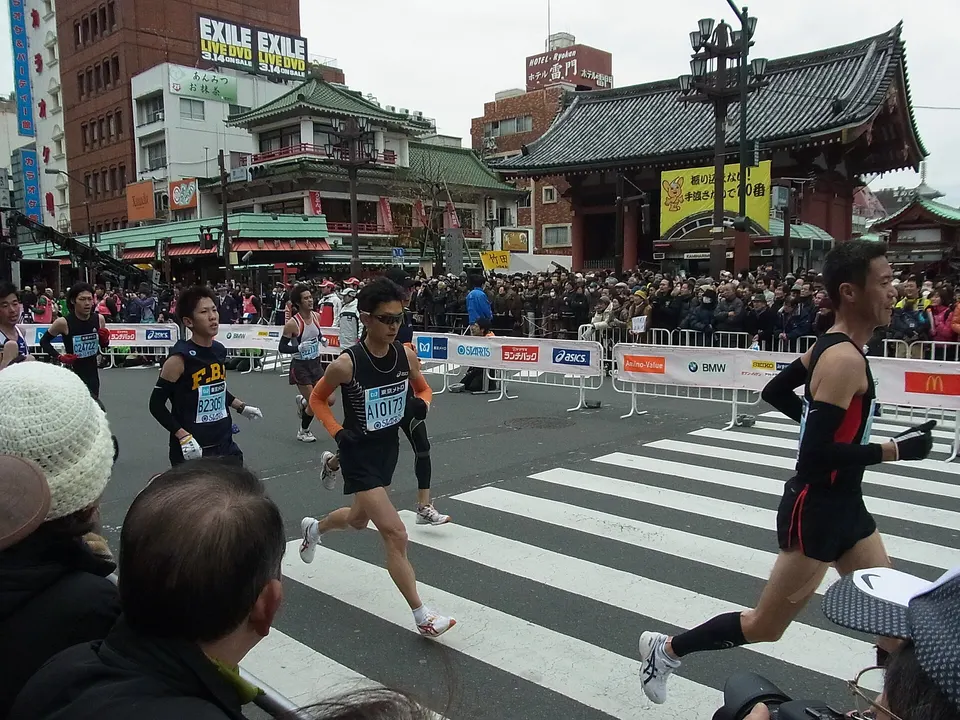
Photo: 江戸村のとくぞう (Edomura no Tokuzo), CC BY-SA 3.0 via Wikimedia Commons; resized and cropped. Map data © OpenStreetMap contributors.
Boston
Finished. Won by John Korir in 2:01:52 and Sharon Lokedi in 2:18:51.
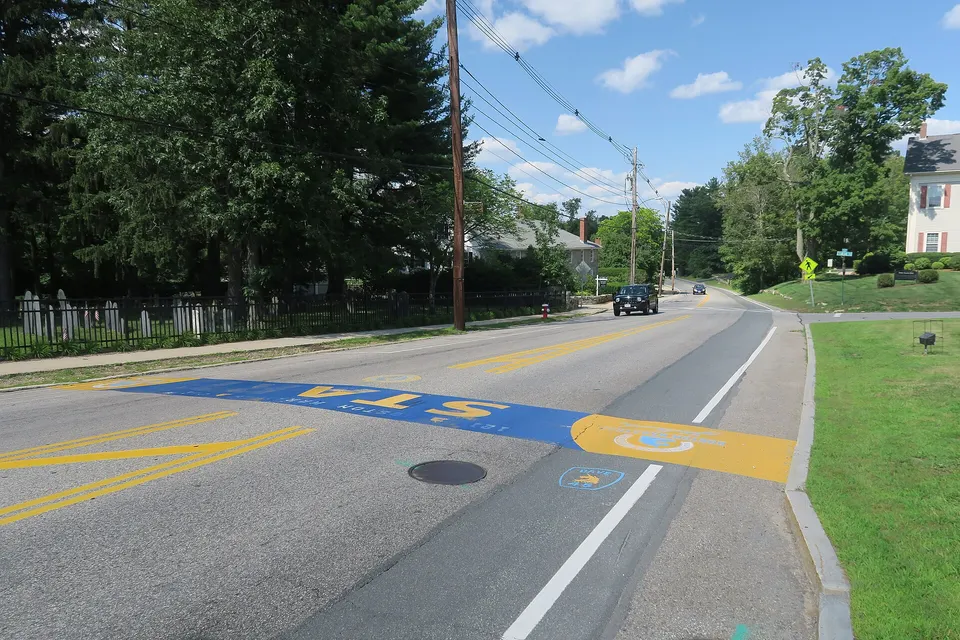
Photo: John Phelan, CC BY-SA 4.0 via Wikimedia Commons; resized and cropped. Map data © OpenStreetMap contributors.
London
Finished. Won by Sabastian Sawe in 1:59:30 and Tigst Assefa in 2:15:41.
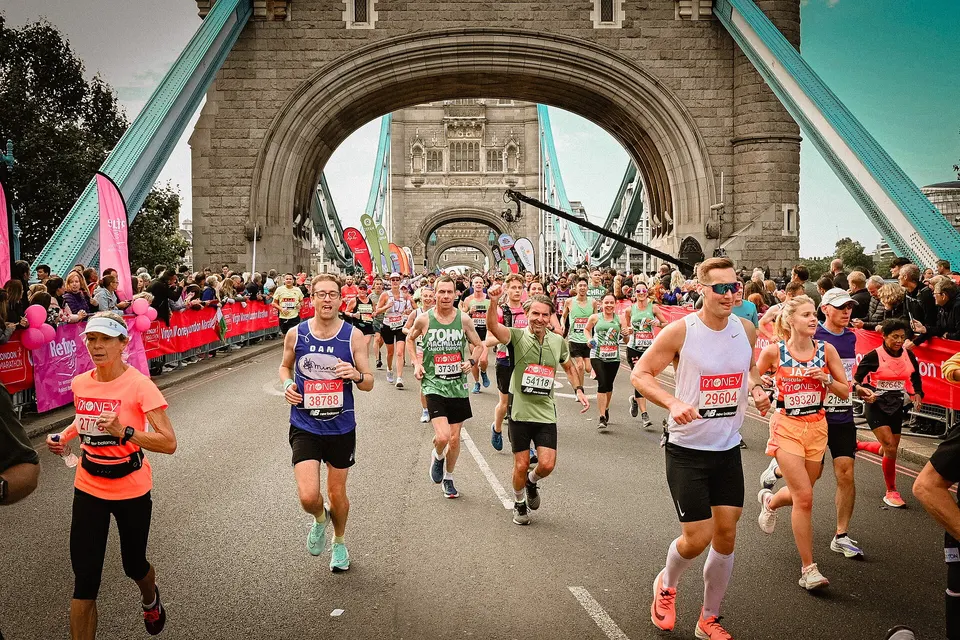
Photo: DanHuddleston, CC BY-SA 4.0 via Wikimedia Commons; resized and cropped. Map data © OpenStreetMap contributors.
Cape Town
Finished. Won by Mohamed Esa in 2:04:55.
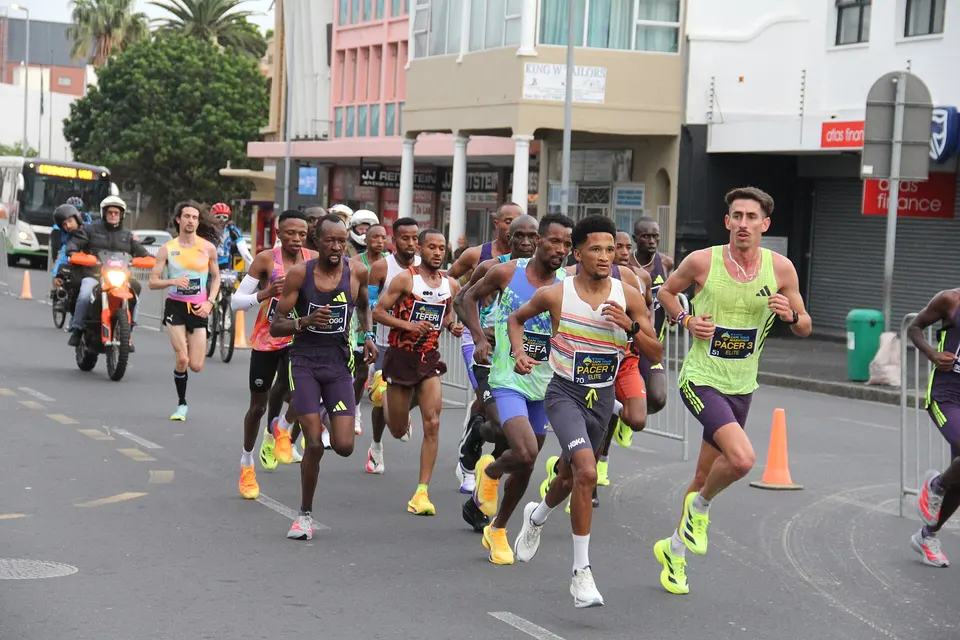
Photo: Axxter99, CC BY-SA 4.0 via Wikimedia Commons; resized and cropped. Map data © OpenStreetMap contributors.
Sydney
Finished. Won by Addisu Gobena in 2:04:42 and Peres Jepchirchir in 2:18:31.
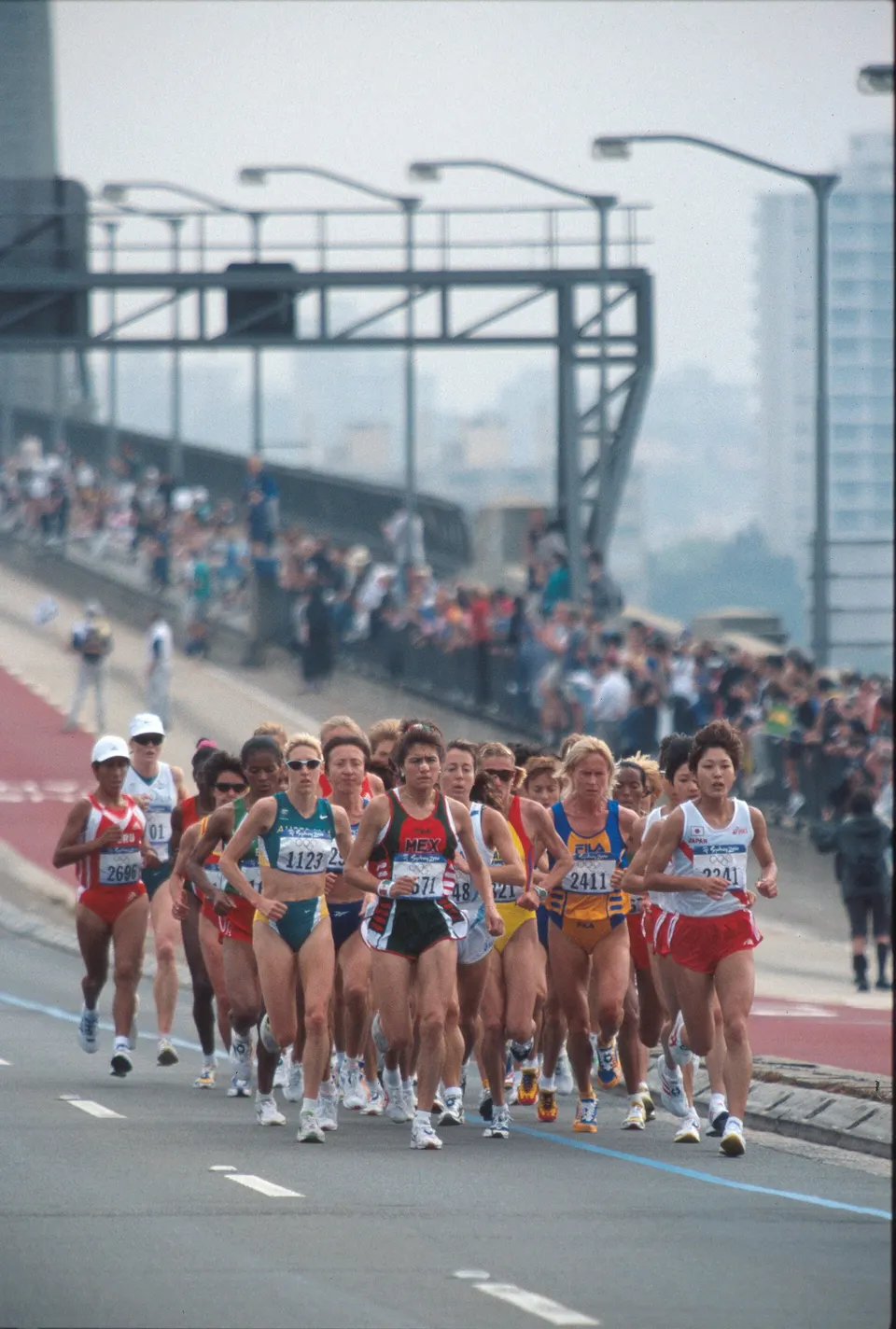
Photo: Grahame Edwards, City of Sydney Archives, CC BY 4.0 via Wikimedia Commons; resized and cropped. Map data © OpenStreetMap contributors.
Berlin
In 2 days
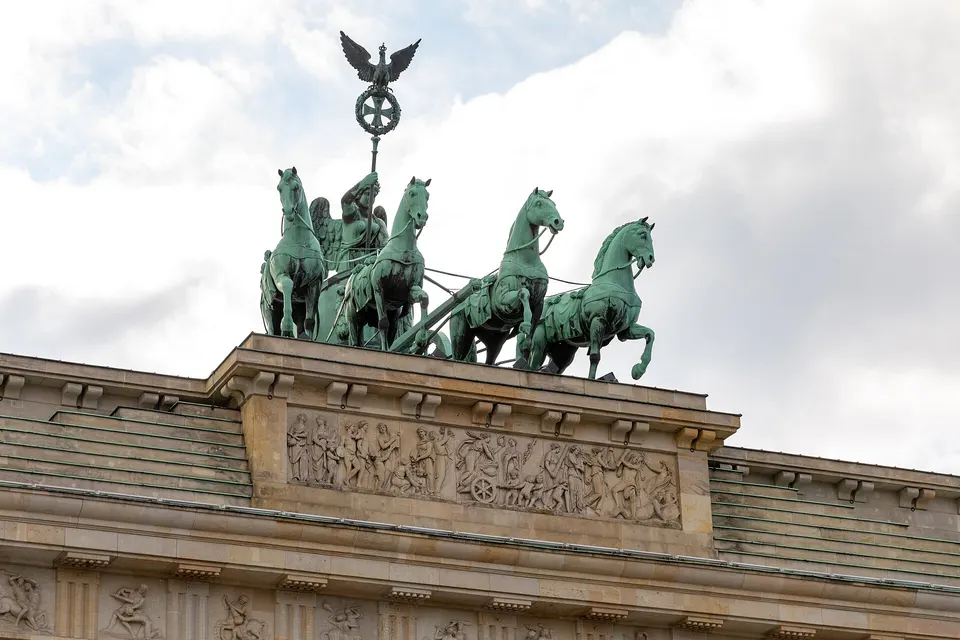
Photo: Dietmar Rabich / Wikimedia Commons / “Berlin, Brandenburger Tor -- 2019 -- 6335” / CC BY-SA 4.0; resized and cropped. Map data © OpenStreetMap contributors.
Chicago
In 16 days
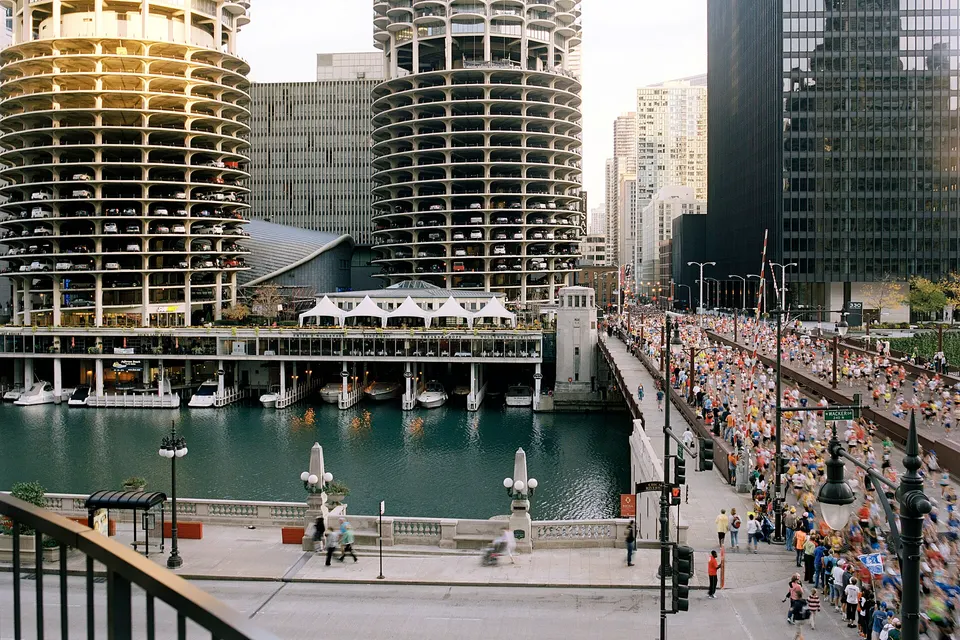
Photo: Steven Dahlman, CC BY-SA 3.0 via Wikimedia Commons; resized and cropped. Map data © OpenStreetMap contributors.
New York
In 37 days
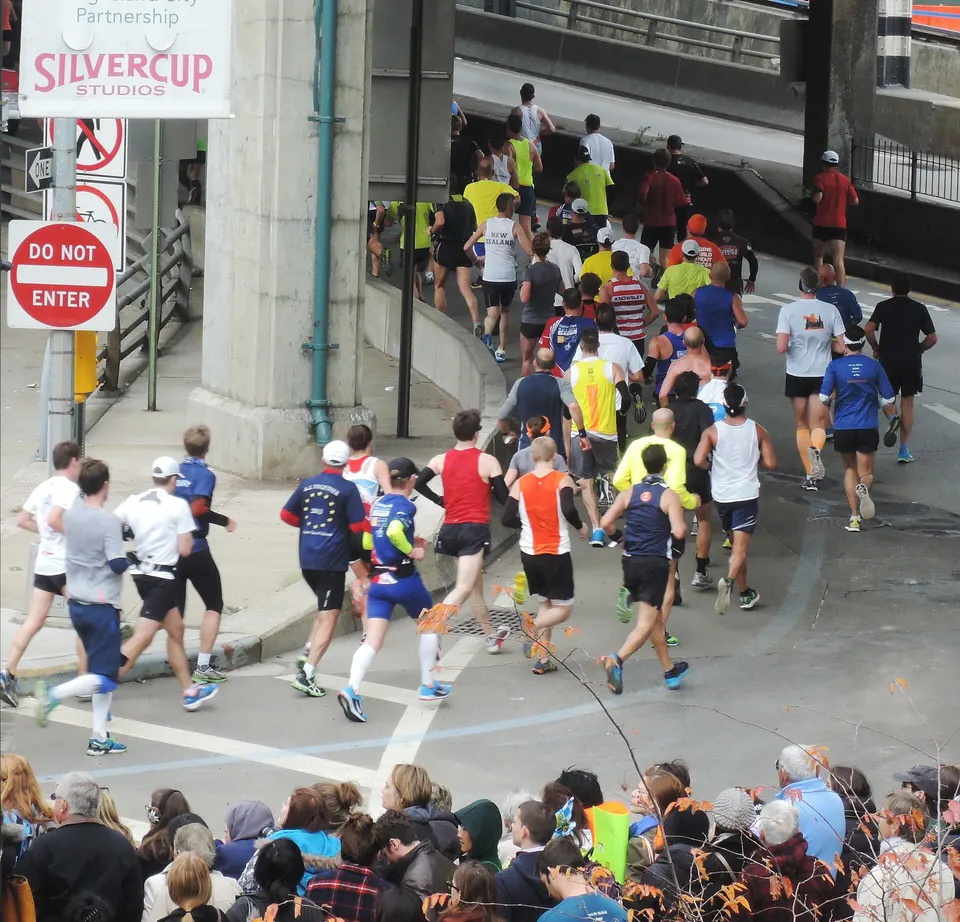
Photo: Jim.henderson, CC0 via Wikimedia Commons. Map data © OpenStreetMap contributors.
Five down, three to go.
Tokyo, Boston, London, Cape Town and Sydney have been run; Berlin, Chicago and New York are still to come.
Eight races, from Tokyo in March to New York in November. Pick a race for its winners or its countdown, and add the next ones to your calendar.
Won by Tadese Takele 2:03:37 and Brigid Kosgei 2:14:29. 37,268 finishers. Source
Won by John Korir 2:01:52 and Sharon Lokedi 2:18:51. The 130th race, on Patriots’ Day; 29,033 finishers. Source
Won by Sabastian Sawe 1:59:30 and Tigst Assefa 2:15:41. Both world records; 59,830 finishers, the largest marathon ever run. Source
Won by Mohamed Esa 2:04:55. A course record for Esa. Its finishers’ stars count: the race became a Major for 2027. Source
Won by Addisu Gobena 2:04:42 and Peres Jepchirchir 2:18:31. Its second race as a Major. Source
The 52nd race. A course record for Assefa, 49 seconds under her own 2023 world record, and the third-fastest women’s marathon ever. Source
The city · The course ·
The 48th race, with a record field of more than 55,000 expected. Source
The city · The course ·
Fifty years of the five-borough course, and its first route change in 15 years. Source
The city · The course ·
Dates and results from each organizer; 2026 winners are the open-division champions. Countdowns follow your device’s date; results cover races run by 25 September 2026. Berlin has not announced its 2027 date.
Five big-city marathons formed the World Marathon Majors on 23 January 2006: Boston, London, Berlin, Chicago and New York. Tokyo joined in 2013. Sydney became a Major in November 2024 and first raced as one in 2025. Cape Town runs its first race as a Major on 23 May 2027, and Shanghai is under assessment.
March · first race 2007
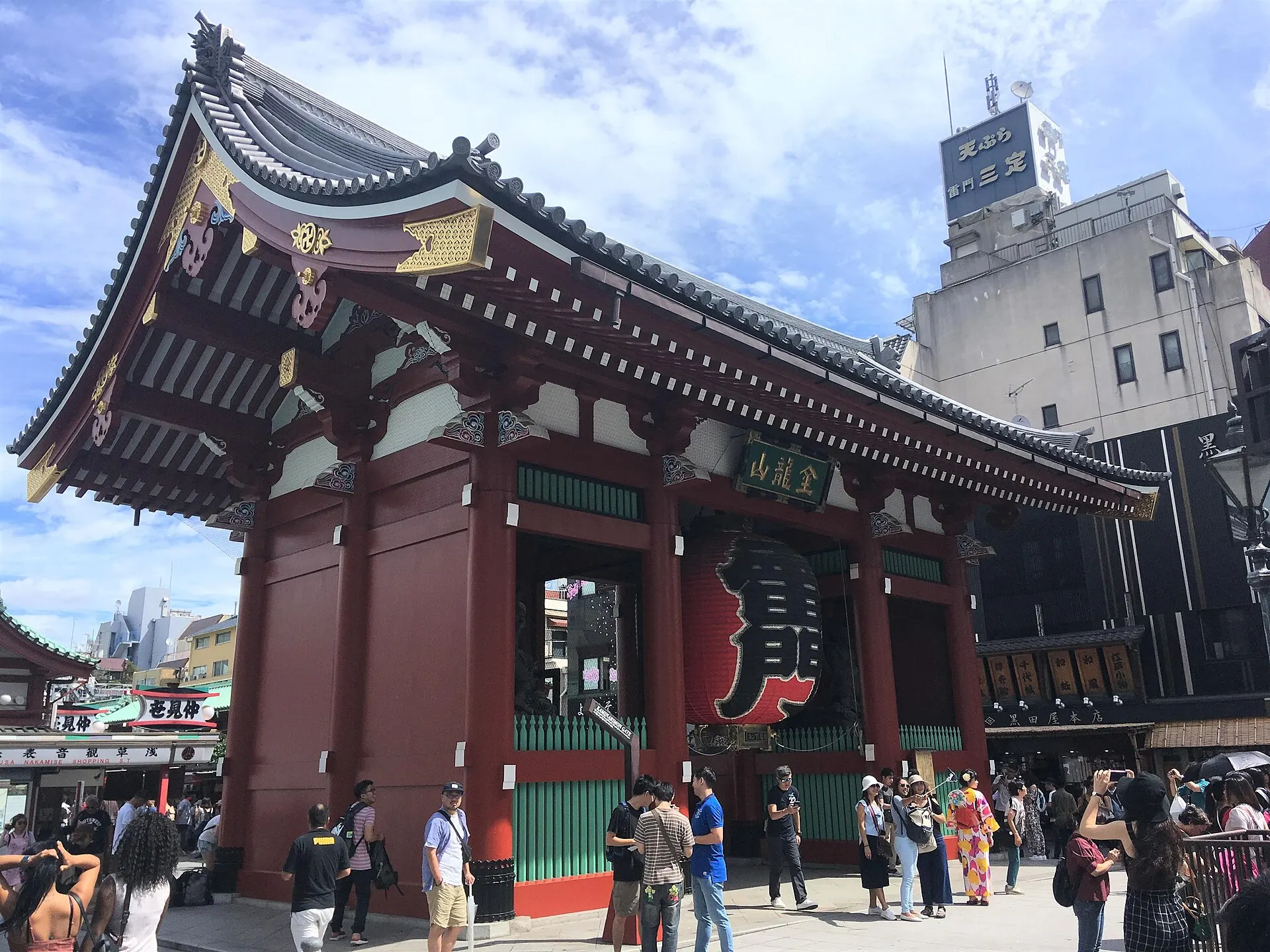
Runs past the Kaminarimon Gate in Asakusa to a finish at Tokyo Station, under the theme “The Day We Unite”. It regularly makes more Six Star finishers than any other Major: 2,094 in 2026 alone.
Point to point · 37,268 finishers in 2026 · Major since 2013
April · first race 1897
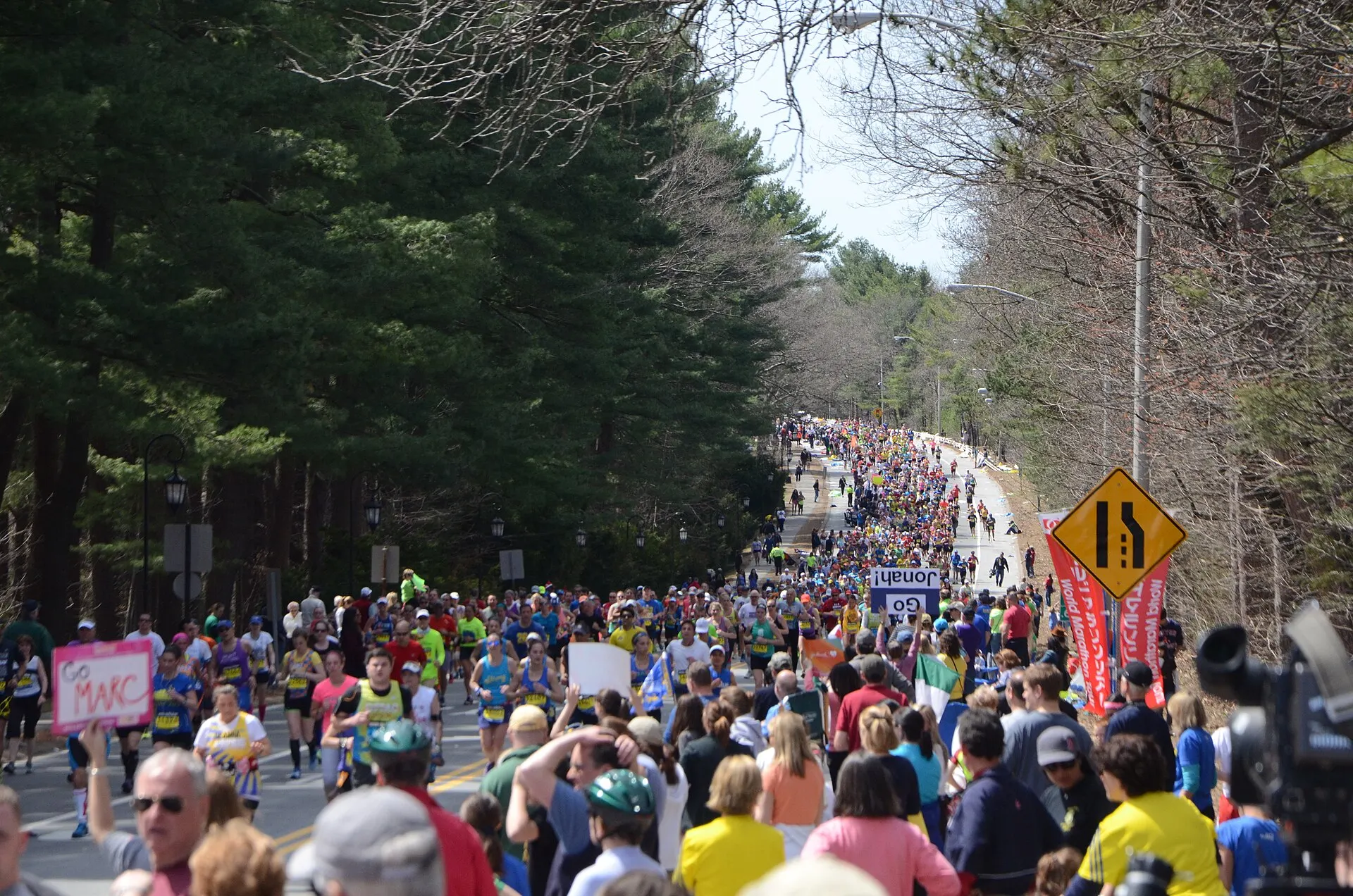
Fifteen runners started the first race in 1897. Boston brought in qualifying times in 1970. Halfway, Wellesley College students line the road in the “Scream Tunnel”; later comes Newton’s last climb, Heartbreak Hill, named by a reporter in 1936.
Point to point · 29,033 finishers in 2026 · Major since 2006
April · first race 1981
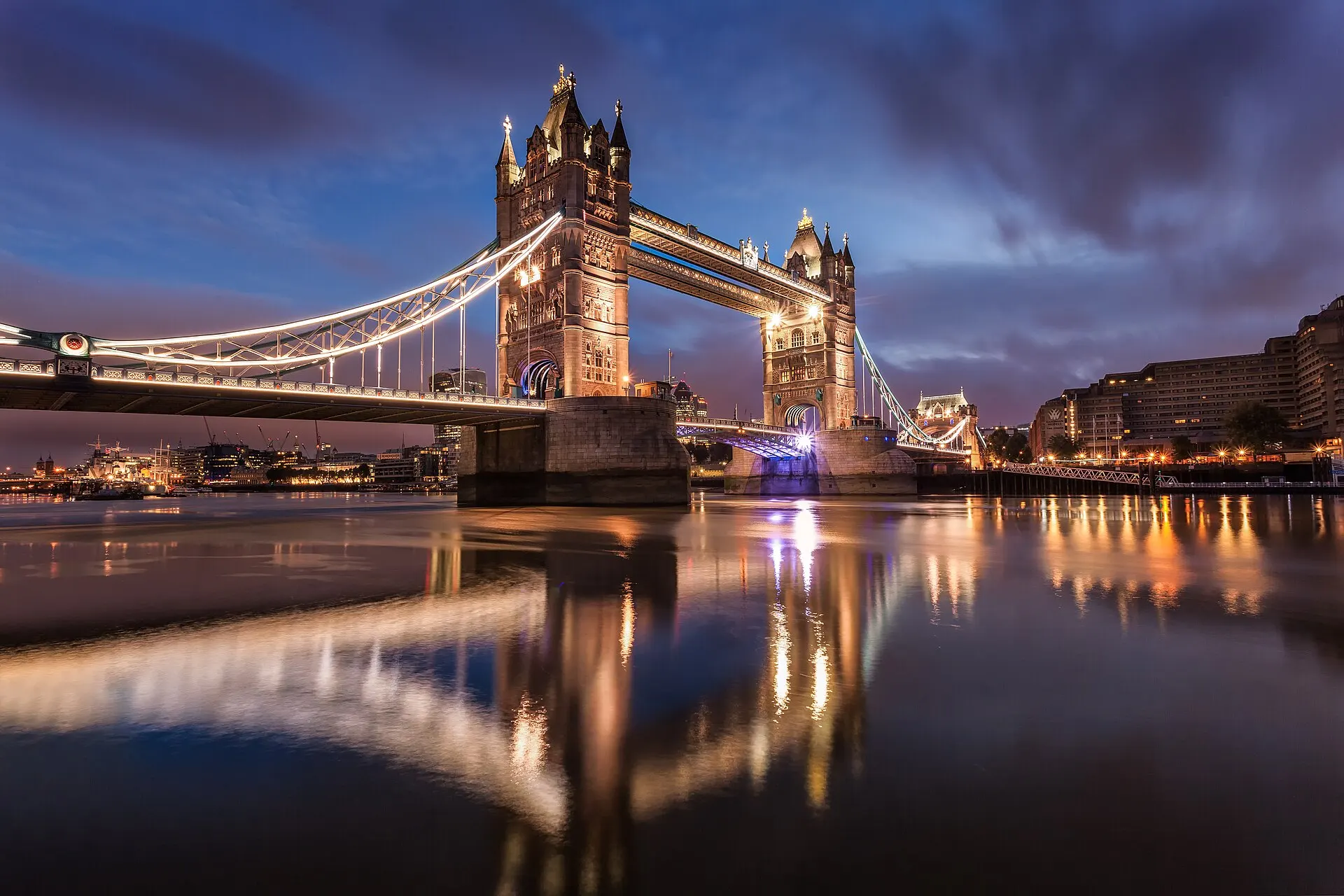
Founded after Chris Brasher ran New York in 1979 and called it “part of the greatest folk festival the world had seen”. The first men’s race ended in a tie, the winners hand in hand. In 2026 it became the largest marathon ever run, with a crowd of runners in costume chasing Guinness records.
Point to point · 59,830 finishers in 2026 · Major since 2006
London Marathon Events: the first race · London Marathon Events: 2026 record
May · first race 1994
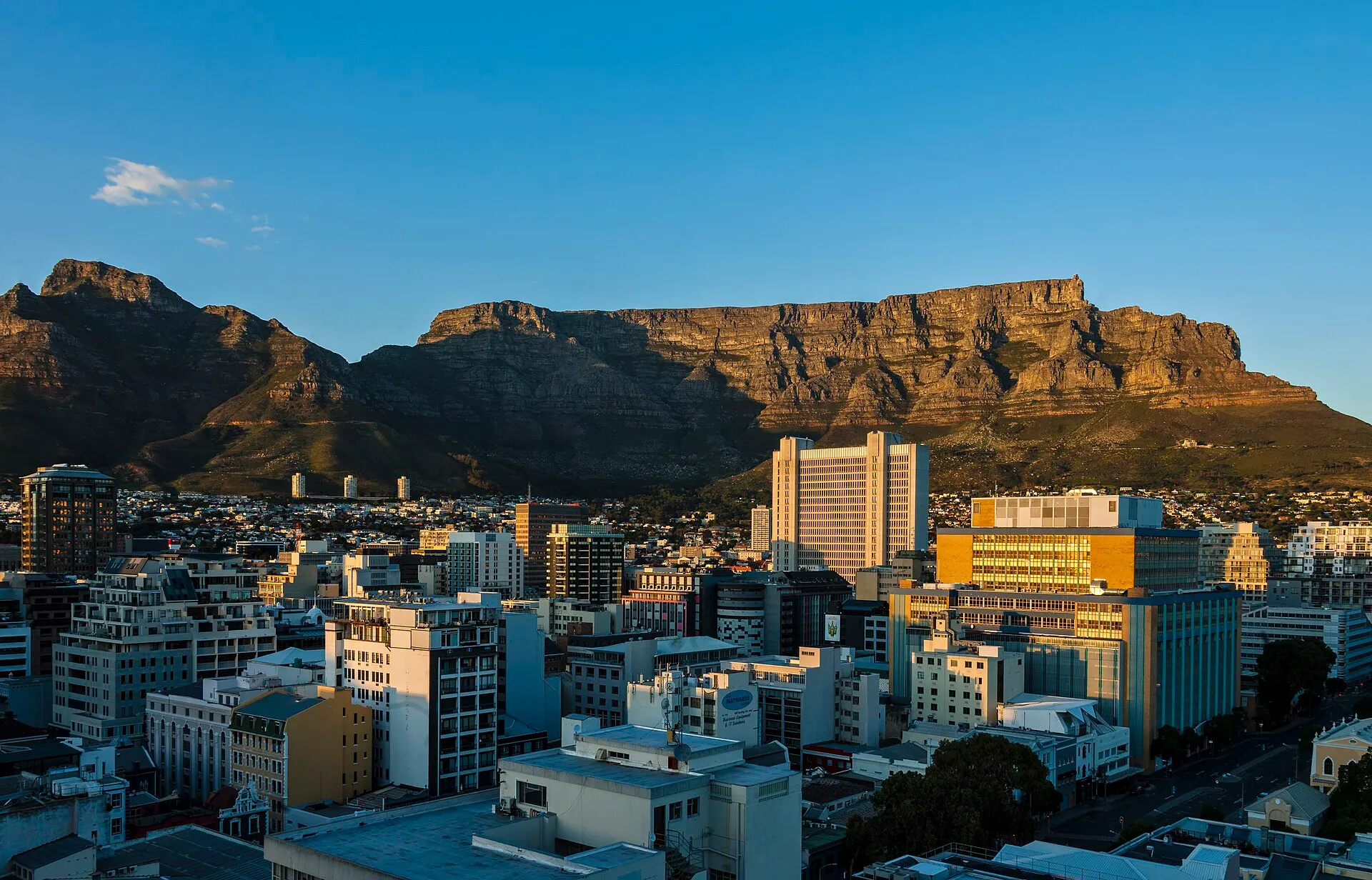
Africa’s first Major, from 23 May 2027. It keeps two-thirds of its entries for African runners. Near 30 km it passes City Hall, where Nelson Mandela spoke in 1990; the last kilometres are the Sea Point “Loop of Death”.
Starts and finishes in Green Point · About 27,000 runners expected for the May 2026 race (pre-race figure) · Major from 2027
Cape Town Marathon: Africa’s first Major · Spectator guide 2026 · 2026 race release
August · first race 2001

Starts where the Sydney 2000 Olympic marathon started, crosses the Harbour Bridge and finishes in front of the Opera House. It bills itself as the last participant legacy of those Games.
Point to point · 32,963 finishers in 2025 · Major since 2025
September · first race 1974
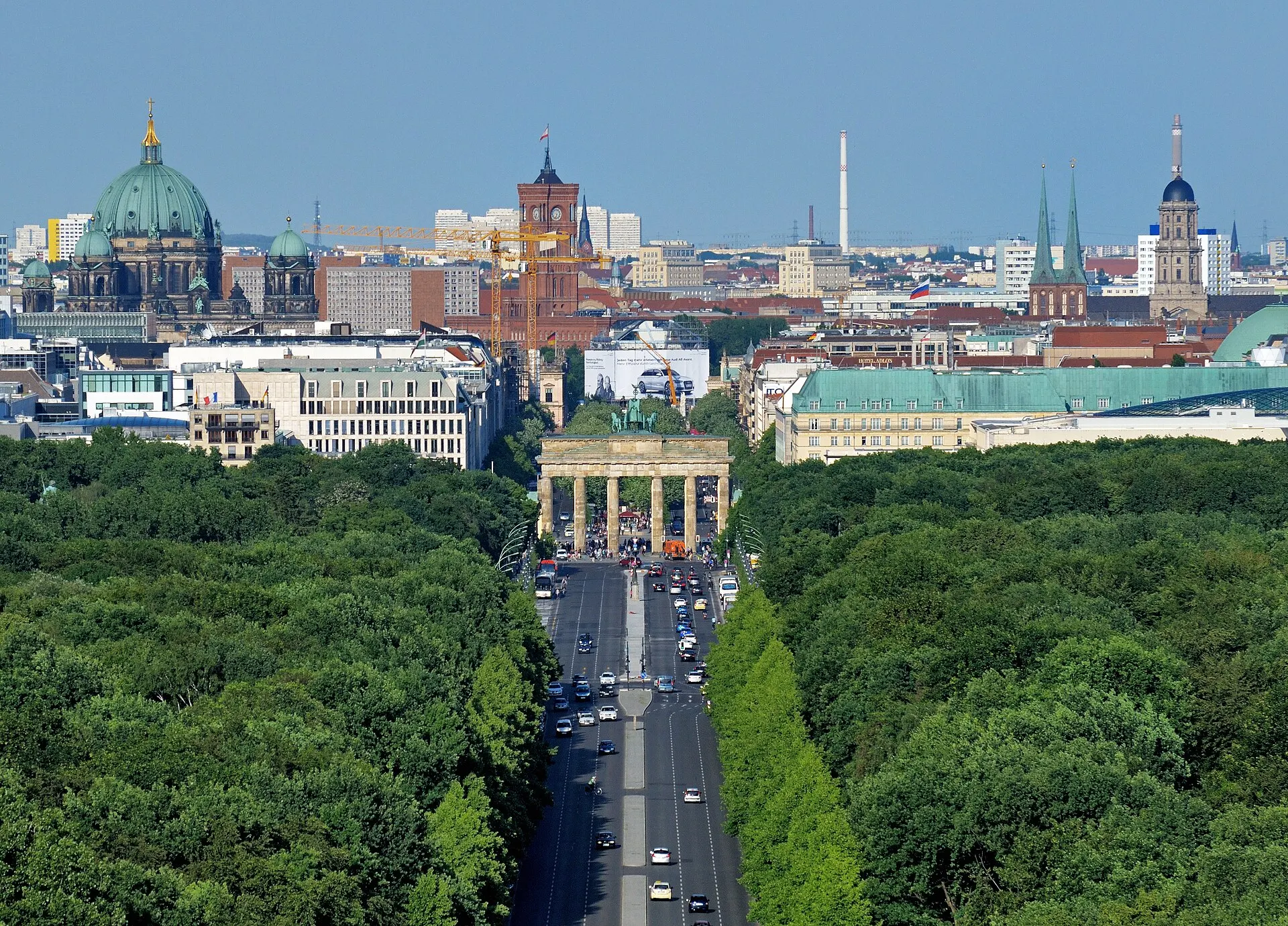
Began with 286 runners in the Grunewald forest. In 1990, days before German reunification, it ran through the Brandenburg Gate for the first time. Since 2003 the gate has come just before the finish.
Loop · 48,351 ranked runners in 2025 · Major since 2006
October · first race 1977

Planned at a YMCA in 1976; 4,200 local runners started the first race. The loop starts and ends in Grant Park and passes through 29 neighborhoods. Its runners raised a record $47.1 million for charity in 2025.
Loop · More than 54,000 finishers in 2025 · Major since 2006
AbbottWMM · Chicago 2025 post-race release · Chicago press releases
November · first race 1970
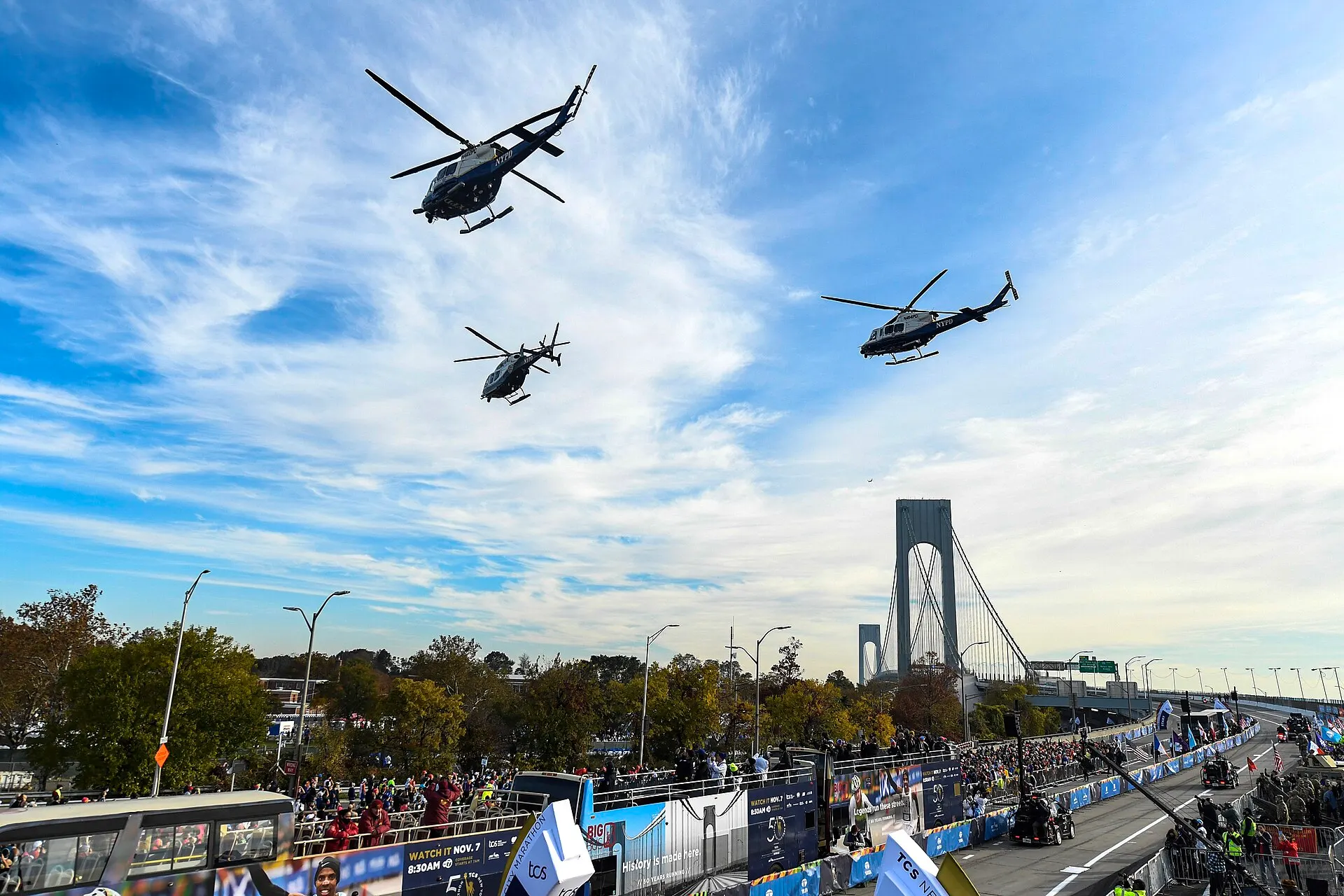
Began as laps of Central Park: $1 to enter, 55 finishers. For the 1976 bicentennial it went through all five boroughs. Its finish stays open late: in 2025 the last official finisher crossed the line after 12 hours 45 minutes.
Point to point · 59,226 finishers in 2025 · Major since 2006
The races are up to 129 years old. The club that links them is 20.
Every course on the same map scale, with its height on the same scale beneath. Drag along a profile to run it, or open a city to walk its landmarks.
Starts 41 m, finishes 3 m above sea level
Starts 143 m, finishes 3 m above sea level
Starts 40 m, finishes 6 m above sea level
Starts 9 m, finishes 5 m above sea level
Starts 79 m, finishes 5 m above sea level
Starts 33 m, finishes 34 m above sea level
Starts 183 m, finishes 184 m above sea level
Starts 39 m, finishes 26 m above sea level
Maps are north up and share one scale: the bar is 10 km in every map. Open circle, start; solid dot, finish. Each profile spans the same 150 m of height above sea level, with faint lines every 50 m. Dashed stretches are bridges, where the height data does not give the deck.
Maps © OpenStreetMap contributors (ODbL): each line is traced on OpenStreetMap streets along the organizer’s course, and kilometres are scaled to the official 42.195 km. Heights: USGS 3DEP; Source: GSI Japan elevation API (出典:国土地理院ウェブサイト(標高API)。国土地理院の標高データをもとにYEAH作成), profile processed by YEAH; © Environment Agency copyright and/or database right 2022. All rights reserved. Open Government Licence v3.0; Geoportal Berlin DGM1; NASA SRTM (Cape Town); the organizer’s course file (Sydney).
Berlin, Chicago and Cape Town finish within about a kilometre of their start. Boston finishes 38.6 km away and 139 m lower.
A world record needs a legal course. The start and finish can be no more than half the race distance apart in a straight line, and the course can drop no more than 1 m for every kilometre. Pick a Major and run both tests.
Not on the chart: Berlin would sit almost on top of Chicago. Its start and finish are 0.84 km apart, and on Berlin’s 1 m terrain model it finishes 0.9 m higher than it starts.
Geoffrey Mutai ran 2:03:02 here in 2011, 57 seconds under the world record of the day, in what World Athletics called strong winds and ideal conditions. It could not count: World Athletics noted the course’s drop and its start–finish separation.
Source: USATF certificate MA25027JK · World Athletics report, 18 April 2011
The rulebook rules out Boston and Sydney. Passing isn’t enough: New York clears both tests, and no record has fallen there.
World Athletics began ratifying road world records on 1 January 2004; its first list included marks from 2003. Women have two records: one for races run with men, one for women-only races. Point at a mark for details, or open the full list below. Counts as of 25 September 2026, two days before the 2026 Berlin Marathon. Cape Town, which runs its first race as a Major in May 2027, is not included: we have not checked its course against the two rules.
Boston, Chicago and New York: USATF measurement certificates list each course’s start and finish elevation, straight-line separation and drop per kilometre. Sydney: the organizer publishes an 83 m net drop; the separation is measured between the two ends of its course file.
Tokyo, London and Berlin publish no net drop, so we measured them. We sampled a bare-earth terrain model every 100 m along each course: Japan’s 1 m airborne-laser model from the Geospatial Information Authority of Japan, the Environment Agency’s 1 m lidar composite (Blue Start) and Berlin’s DGM1. The same method gives Boston 139.5 m against its certificate’s 139.4 m. London’s separation (10.3–10.8 km, depending on the start line) is measured from OpenStreetMap; Berlin’s (0.84 km) from its official course file.
Satellite surface models read the tops of buildings and trees: at Boston’s finish one read 8 m against the certificate’s 3.3 m. We use one only for Cape Town’s profile in the course chapter, and say so there.
| Major | Start to finish | Net drop | Ratified records | Basis |
|---|---|---|---|---|
| Tokyo | about 15% of the distance apart (6.4 km) | 0.89 m per km, 37.6 m in all | 0 | YEAH measurement on a 1 m terrain model |
| Boston | 91.6% of the distance apart (38.6 km) | 3.30 m per km, about 139 m in all | 0 | USATF measurement certificate |
| London | about 25% of the distance apart (10.3–10.8 km, by start line) | 0.80 m per km, 33.6 m in all (Blue Start) | 7 | YEAH measurement on a 1 m terrain model |
| Sydney | 6.7% of the distance apart (2.8 km) | 1.97 m per km, 83 m in all | 0 | Organizer’s official figure |
| Berlin | 2% of the distance apart (0.84 km) | none: it finishes 0.9 m higher than it starts | 9 | YEAH measurement on a 1 m terrain model |
| Chicago | 2.9% of the distance apart (1.2 km) | none: it finishes 2 m higher than it starts | 3 | USATF measurement certificate |
| New York | 47.2% of the distance apart (19.9 km) | 0.12 m per km, 5 m in all | 0 | USATF measurement certificate |
| Date | Race | Category | Athlete | Time |
|---|---|---|---|---|
| 13 Apr 2003 | London | Women, mixed race | Paula Radcliffe | 2:15:25 |
| 28 Sept 2003 | Berlin | Men | Paul Tergat | 2:04:55 |
| 17 Apr 2005 | London | Women-only race | Paula Radcliffe | 2:17:42 |
| 30 Sept 2007 | Berlin | Men | Haile Gebrselassie | 2:04:26 |
| 28 Sept 2008 | Berlin | Men | Haile Gebrselassie | 2:03:59 |
| 25 Sept 2011 | Berlin | Men | Patrick Makau | 2:03:38 |
| 29 Sept 2013 | Berlin | Men | Wilson Kipsang | 2:03:23 |
| 28 Sept 2014 | Berlin | Men | Dennis Kimetto | 2:02:57 |
| 23 Apr 2017 | London | Women-only race | Mary Keitany | 2:17:01 |
| 16 Sept 2018 | Berlin | Men | Eliud Kipchoge | 2:01:39 |
| 13 Oct 2019 | Chicago | Women, mixed race | Brigid Kosgei | 2:14:04 |
| 25 Sept 2022 | Berlin | Men | Eliud Kipchoge | 2:01:09 |
| 24 Sept 2023 | Berlin | Women, mixed race | Tigst Assefa | 2:11:53 |
| 8 Oct 2023 | Chicago | Men | Kelvin Kiptum | 2:00:35 |
| 21 Apr 2024 | London | Women-only race | Peres Jepchirchir | 2:16:16 |
| 13 Oct 2024 | Chicago | Women, mixed race | Ruth Chepngetich | 2:09:56 |
| 27 Apr 2025 | London | Women-only race | Tigst Assefa | 2:15:50 |
| 26 Apr 2026 | London | Men | Sabastian Sawe | 1:59:30 |
| 26 Apr 2026 | London | Women-only race | Tigst Assefa | 2:15:41 |
Ruth Chepngetich received a three-year ban from the Athletics Integrity Unit in October 2025 for a violation from a sample taken in March 2025. The AIU said her achievements and records before that sample stand, so her 2024 Chicago record remains. AIU release, 23 October 2025.
Every Major you finish earns a star, with no deadline, as long as your time makes the official results. Getting to the start line is the hard part. Enter a marathon time and see which doors it opens.
Time route No qualifying time for most amateurs. Overseas runners have a semi-elite route (RUN as ONE) for 25 men under 2:22:00 and 25 women under 2:50:00; runners in Japan have a separate semi-elite entry of 280 places.
Other ways in A draw for a 40,000 field (demand not published), 5,000 charity places, tour operators, and 300 places in the AbbottWMM draw for runners with 4–6 stars. Entry ¥19,800 in Japan, US$230 from abroad. Source
Time route Qualifying time, then fastest first. Standards for ages 18–34: men 2:55:00, women 3:25:00.
Other ways in Charity (215 charities, about 10% of the field), tour operators, and 150 AbbottWMM draw places for runners with 4–6 stars. Entry US$270. Source
Time route Good For Age, UK residents only, fastest first. 2026 standards for ages 18–39: men under 2:52, women under 3:38.
Other ways in A ballot: 1,338,544 people applied for 2027, a world record; London does not publish how many places it holds. Charity, running clubs, tour operators and 500 AbbottWMM draw places. Entry £79.99 in the UK, £275 international. Source
Time route No qualifying-time route.
Other ways in A ballot (R5 to enter, given to charity), charity and tour operators, and 200 AbbottWMM draw places. Two-thirds of places are kept for African runners. The race fee was not on the official pages we reached. Source
Time route High Performance Program: apply with a qualifying time; places go fastest first. Standards for ages 18–34: men 2:45:00, women 3:18:00.
Other ways in A free ballot (123,000+ entries for 2026), 50+ charities, travel partners and 250 AbbottWMM draw places. Entry A$280 in Australia, A$330 international. Source
Time route Fast runners can apply with a qualifying time, but it doesn’t guarantee a place. Up to 44: men under 2:45, women under 3:10.
Other ways in A lottery (alone or in a team of three), charity partners, tour operators and 250 AbbottWMM draw places. Ten Berlin finishes earn a place every year. Entry €205 (2026). Source
Time route Qualifying time guarantees a place. Standards for ages 16–34: men 2:50:00, women 3:20:00.
Other ways in A drawing: more than 200,000 applied for 2026, for a 55,000 field that also holds the guaranteed places. Charity (at least $2,500 raised), five finishes in ten years, and 250 AbbottWMM draw places. Entry US$250, or US$260 from outside the US. Source
Time route Qualifying time guarantees a place if you ran it at a New York Road Runners race. Standards for ages 18–34: men 2:53:00, women 3:13:00.
Other ways in A drawing: more than 240,000 applied for 2026 and about 1% got in. 670+ charities (Team for Kids starts at $3,000), NYRR’s 9+1 program, 15 finishes, and 250 AbbottWMM draw places. Entry US$255 for NYRR members, US$315 otherwise. Source
Entry details as of 25 September 2026. Each race’s latest published standards: 2027 for Boston, New York, Chicago and Sydney; 2026 for London and Berlin. Races count age differently: on race day, when you ran the time, or by birth year. The finder applies the age you enter to all of them. From the 2027 window, Boston adds 5 or 10 minutes to times run on steep downhill courses.
Only Chicago turns a qualifying time run anywhere into a guaranteed place. Elsewhere, speed buys a place in a queue, or nothing.
A star needs an official result, and each race decides who gets one. The limits are measured differently: Boston and New York close at a set time of day, Berlin counts from when you cross the start line, and Tokyo from the gun.
The Six Star medal still covers only the original six: Tokyo, Boston, London, Berlin, Chicago and New York. More than 20,000 runners had one by early 2025, and Tokyo alone added 2,094 in 2026. Sydney and Cape Town add stars but not a medal. Runners with seven or eight stars go into a Hall of Fame; almost 2,000 earned their eighth at Cape Town in May 2026. A Nine Star medal comes only if Shanghai passes its final assessment on 6 December 2026.
How the Six Star Medal works · 20,000 Six Star finishers · Six Star stats · Eight Star Hall of Fame · Cape Town and the Nine Star medal
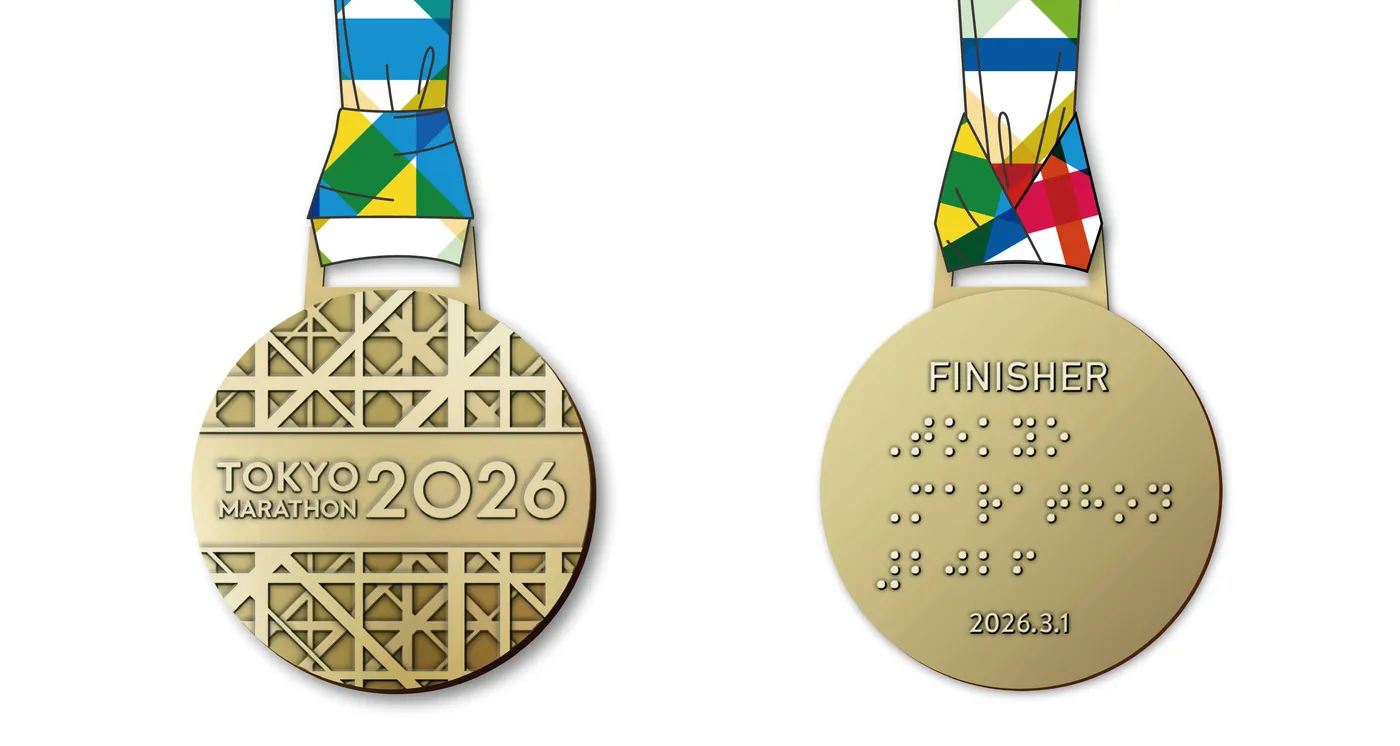
The design draws on the character for “one” (一, ichi), for the oneness the organizer says comes when every participant unites. The ribbon is recycled polyester. The 2027 medal, still a draft, marks the 20th race: 100 mm across, with a “20” whose 2 traces each runner’s path.
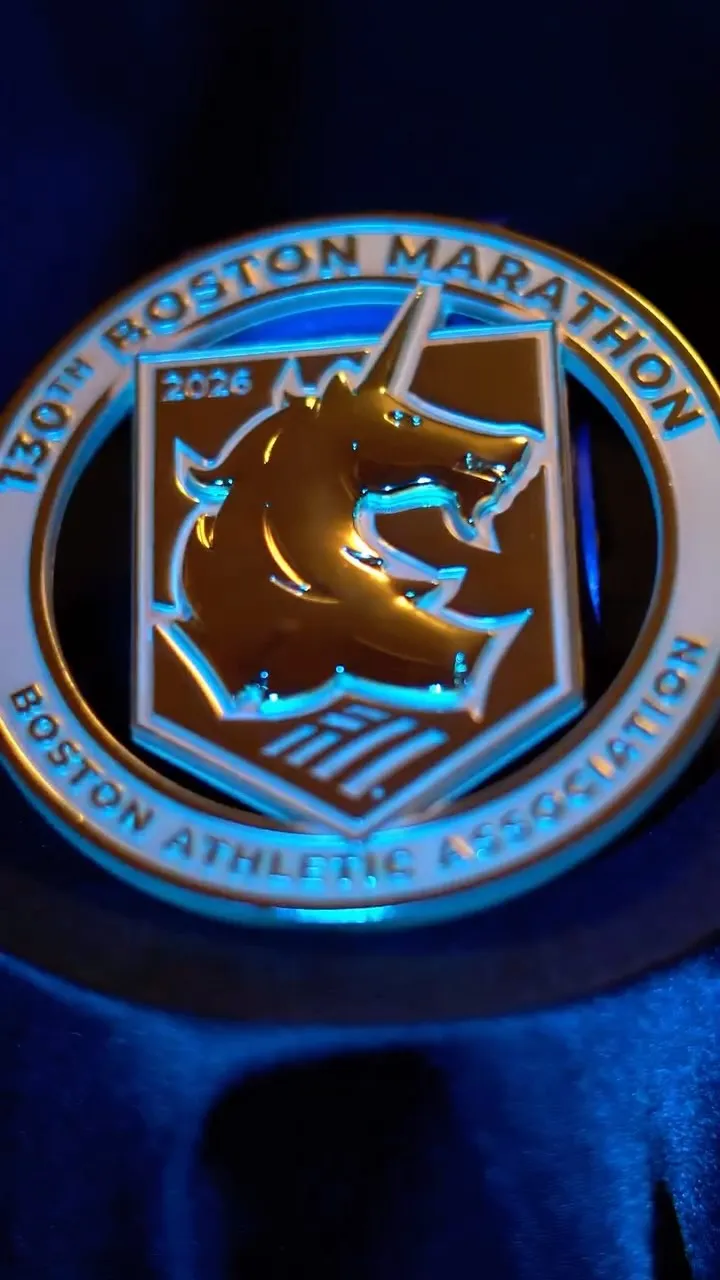
Gold only this year, for the 130th race: the B.A.A. unicorn and the race logo on the front, the date on the back.
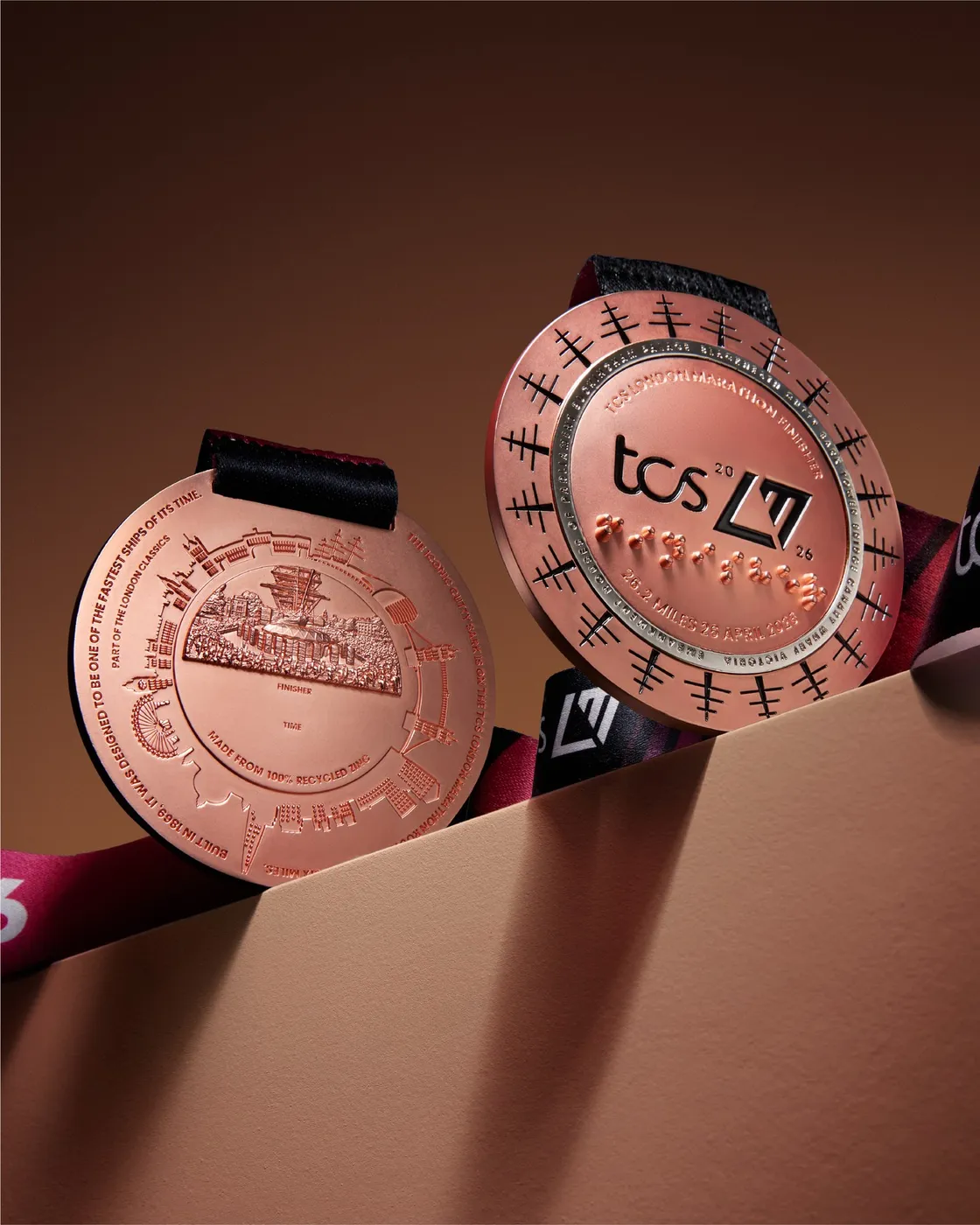
The Cutty Sark, the clipper ship runners pass just after Mile 6. The back gives the distance and the date, with braille.
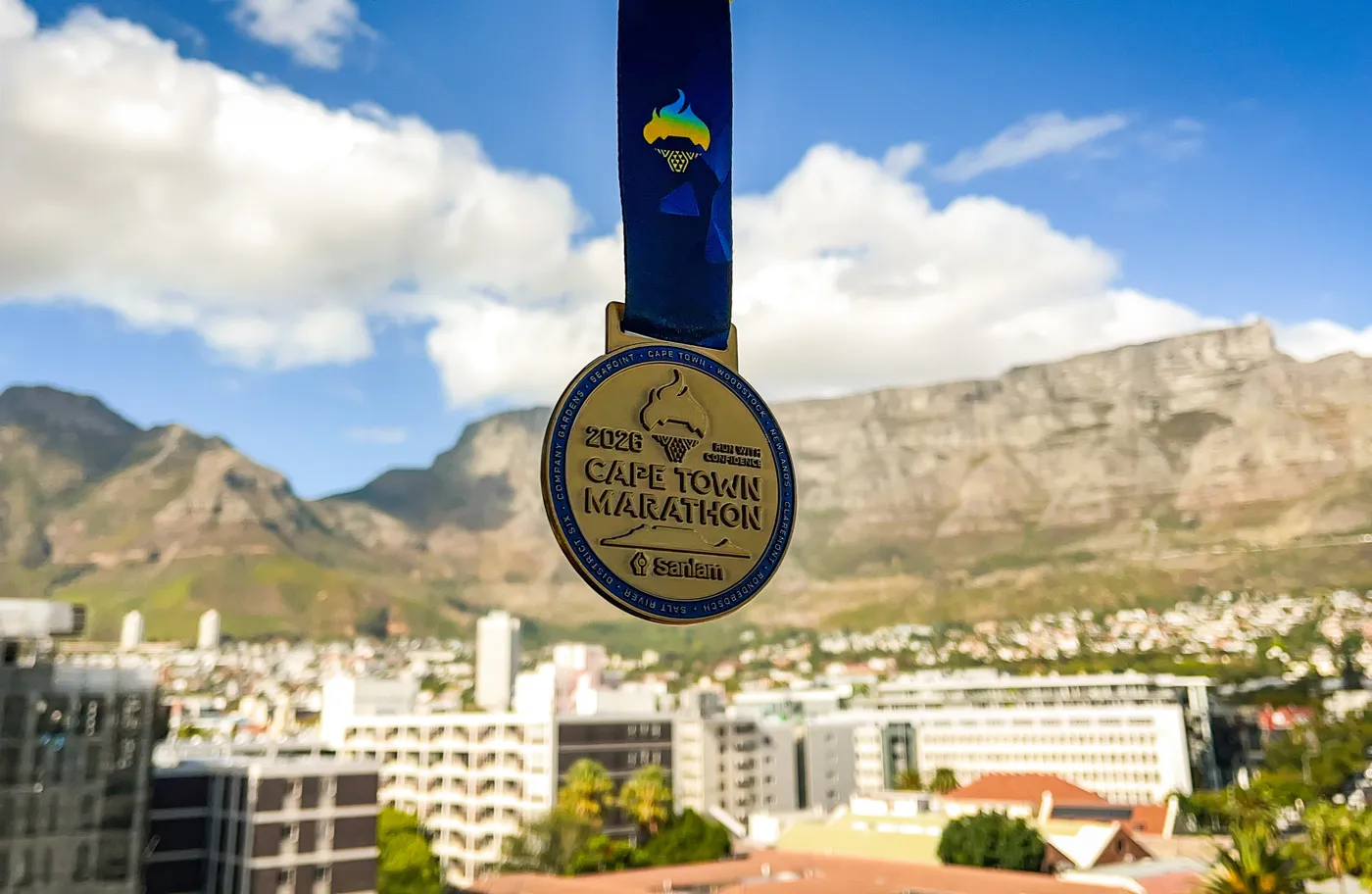
It carries the look of the race’s new logo: geometric patterns from San and Khoikhoi ostrich-eggshell beadwork. Its finishers earned a provisional star, since upgraded: the first Cape Town star.
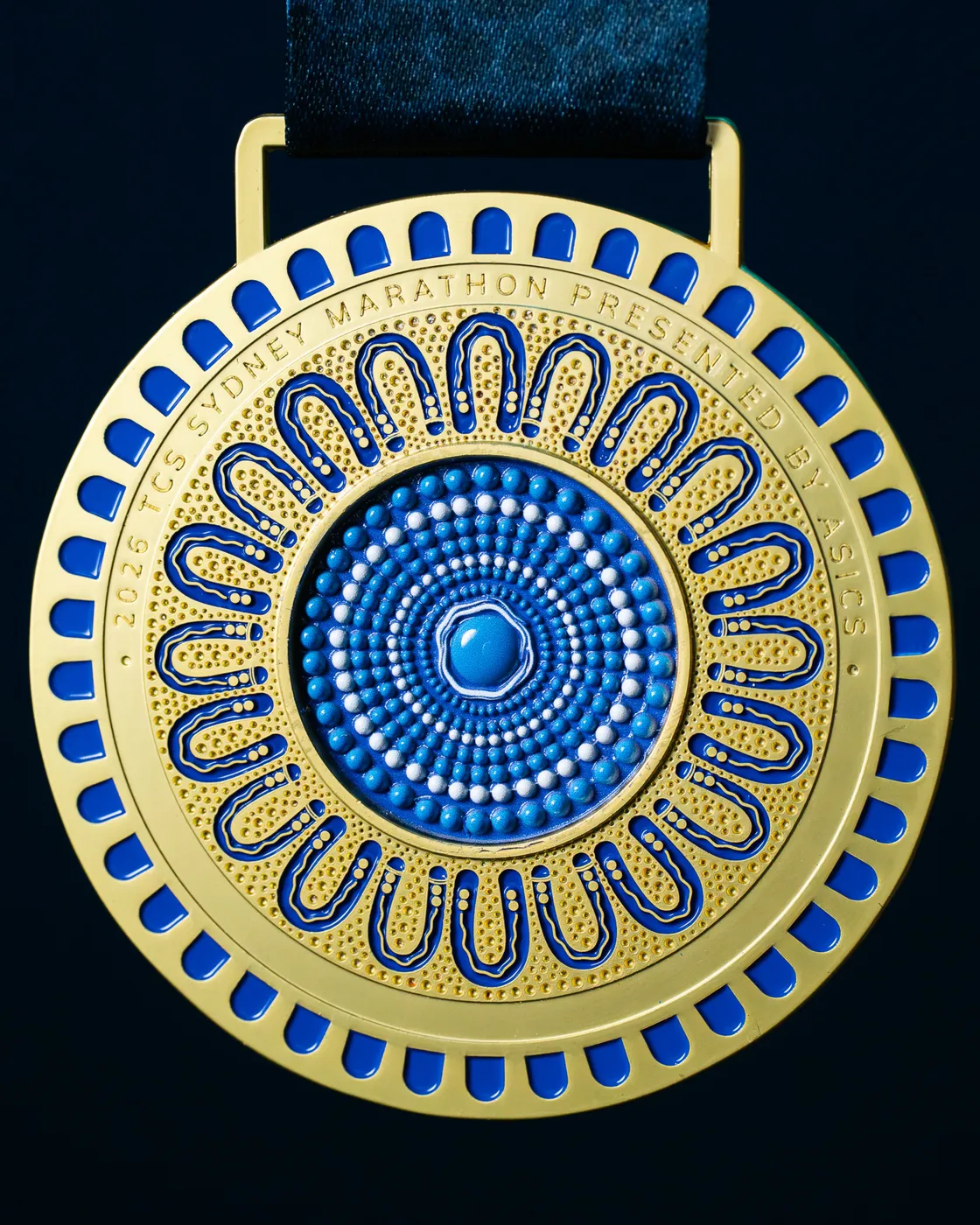
Designed by First Nations artist Ambrose Killian, the organizer says. Marks around the edge stand for each kilometre; eight circles on the back for the eight Majors. ABC later reported that the skyline on the reverse, which Killian did not draw, showed Munich’s Allianz Arena instead of Sydney’s Allianz Stadium; a spokesperson acknowledged the mistake.
Sydney Marathon on Instagram, 16 Aug 2026 · ABC News, 23 Aug 2026
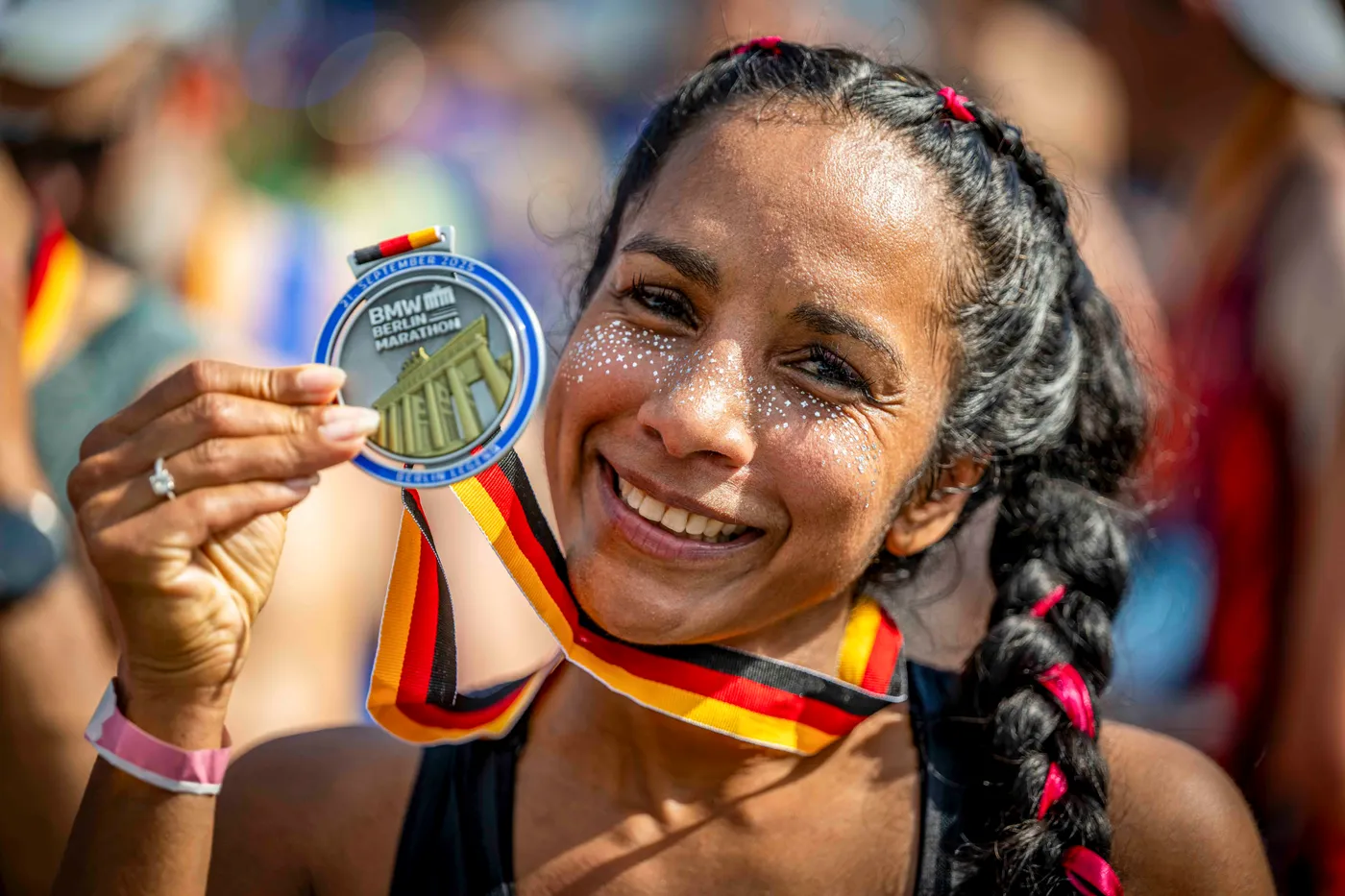
Berlin published no design notes for 2025. Its race-day gallery shows the medal on a black, red and gold ribbon.
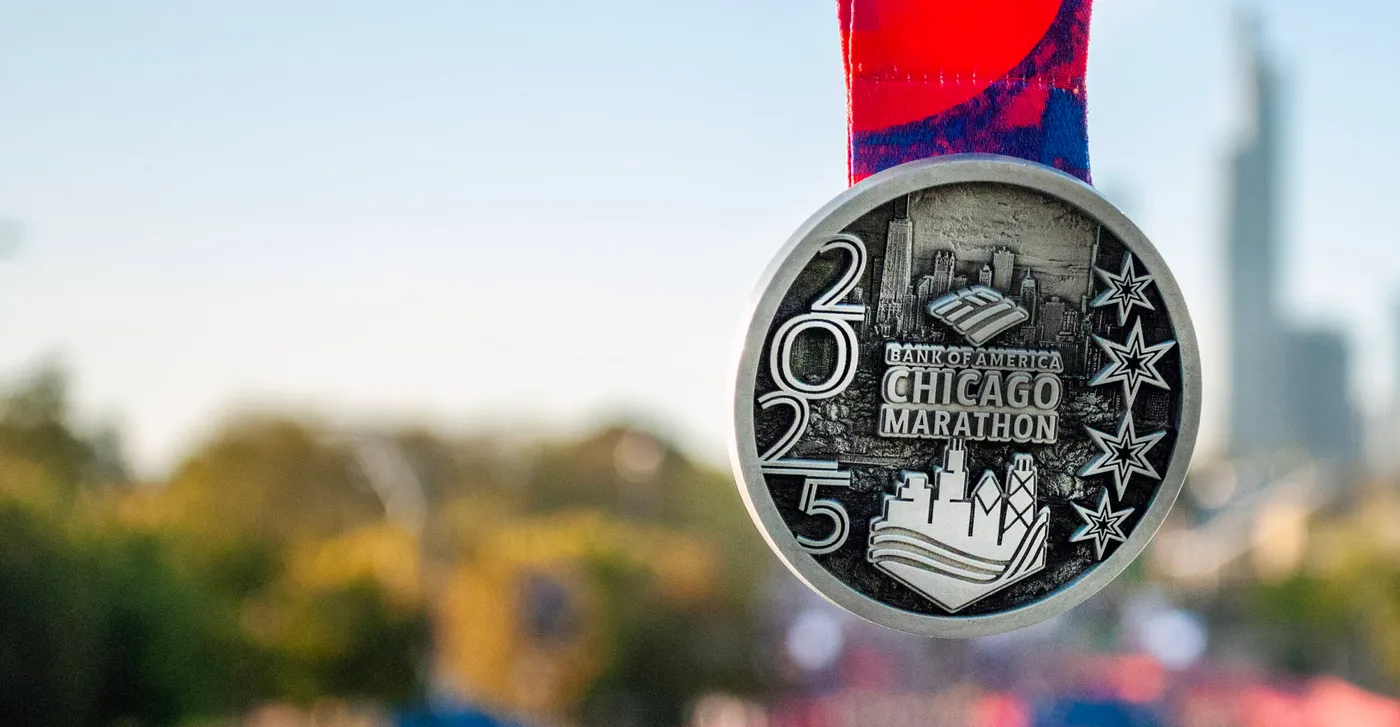
The city’s flag and skyline on the front; on the back, an outline of the course and a nod to runners who finished all three Chicago Distance Series races.
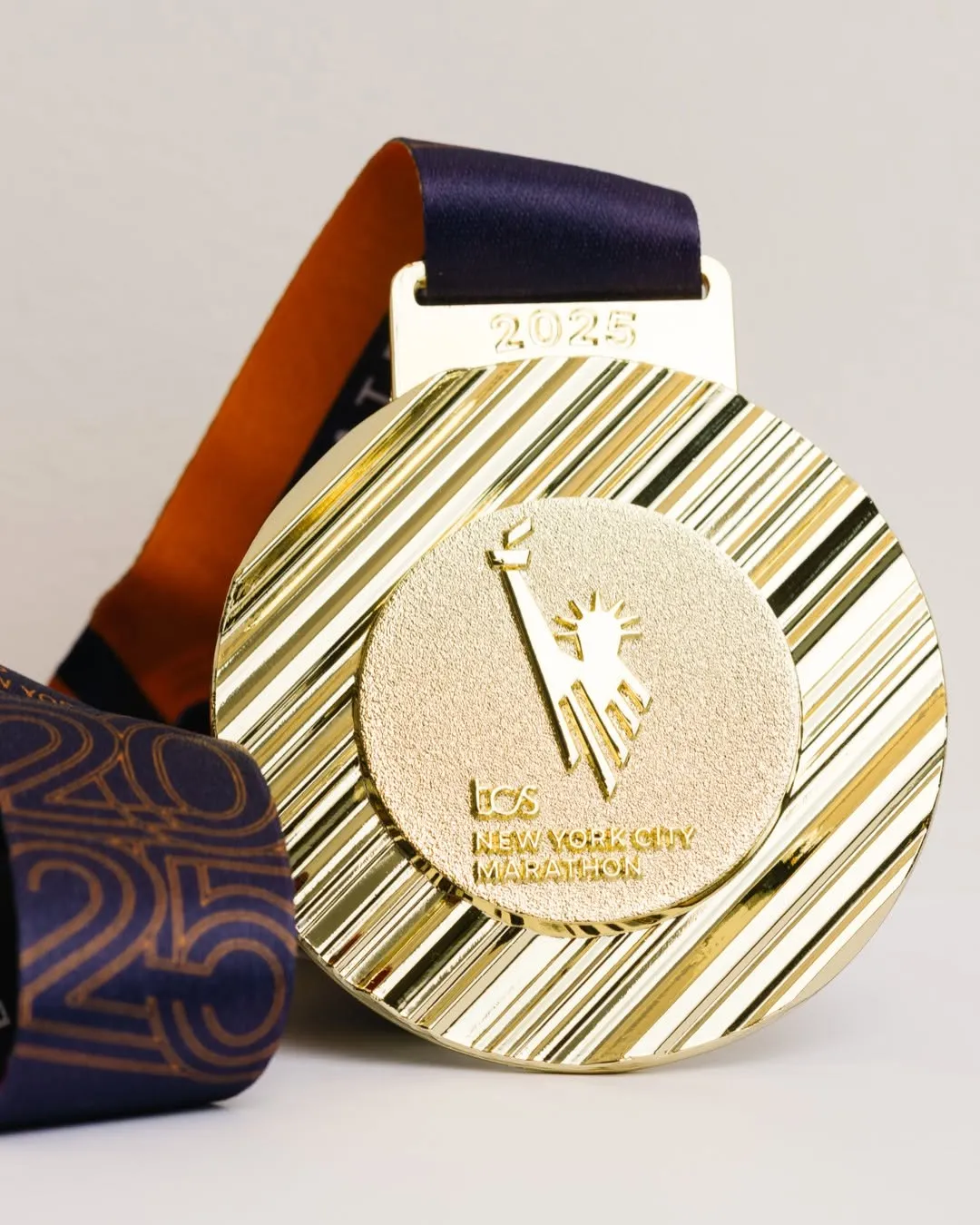
The rim is the course: its elevation, raised in metal, from the Verrazzano-Narrows Bridge to Central Park. Designed by NYRR’s Thomas Cabus with Keziah Makoundou. The course chapter’s New York profile dashes the bridges, because the terrain data reads the water below; the certificate puts the Verrazzano crest, the course’s high point, at 79 m.
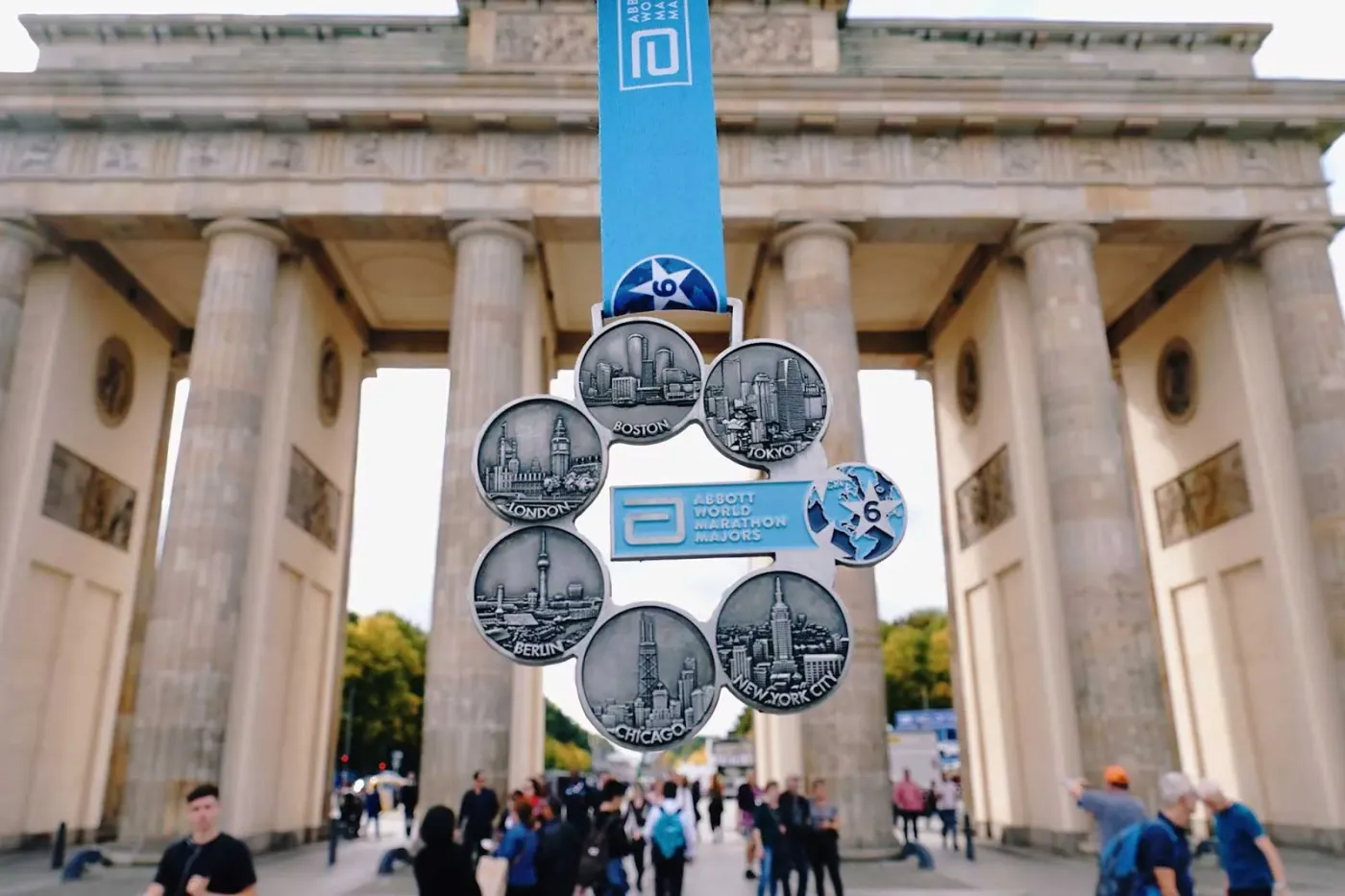
For finishing Tokyo, Boston, London, Berlin, Chicago and New York, with no deadline. Six city medallions ring the centre. Sydney and Cape Town add stars but not a medal.
The design draws on the character for “one” (一, ichi), for the oneness the organizer says comes when every participant unites. The ribbon is recycled polyester. The 2027 medal, still a draft, marks the 20th race: 100 mm across, with a “20” whose 2 traces each runner’s path.
Medal images are the organizers’ own photos and renders, credited to each. Designs shown are the latest edition held: 2026 for Tokyo, Boston, London, Cape Town and Sydney; 2025 for Berlin, Chicago and New York.
Boston sorts qualifiers fastest first until the field is full. The cutoff is how far under your standard you had to be. From 2026 the B.A.A. made the standards five minutes faster for ages 18–59, so 2026’s 4:34 cutoff sits on a tighter standard than 2025’s 6:51. For 2027, about 1,000 qualifiers who miss the cutoff will be drawn at random. B.A.A.
| Race | Cutoff | Qualifiers turned away |
|---|---|---|
| 2019 | 4:52 | 7,248 |
| 2020 | 1:39 | 3,161 |
| 2021 | 7:47 | 9,215 |
| 2022 | 0:00 | 0 |
| 2023 | 0:00 | 0 |
| 2024 | 5:29 | 11,039 |
| 2025 | 6:51 | 12,324 |
| 2026 | 4:34 | 8,887 |
New York guarantees a place for qualifying times run at New York Road Runners races. Times from other marathons go fastest first: for 2026 only the top 10% were accepted, 22:52 or more under the standard. NYRR
Don’t divide a field by its applicants to get odds. Every field also holds charity, tour, qualifier, club and legacy places, and London, Chicago, Tokyo, Sydney and Cape Town do not publish how many ballot places there are.
| Age | Men | Women |
|---|---|---|
| 18–34 | 2:55:00 | 3:25:00 |
| 35–39 | 3:00:00 | 3:30:00 |
| 40–44 | 3:05:00 | 3:35:00 |
| 45–49 | 3:15:00 | 3:45:00 |
| 50–54 | 3:20:00 | 3:50:00 |
| 55–59 | 3:30:00 | 4:00:00 |
| 60–64 | 3:50:00 | 4:20:00 |
| 65–69 | 4:05:00 | 4:35:00 |
| 70–74 | 4:20:00 | 4:50:00 |
| 75–79 | 4:35:00 | 5:05:00 |
| 80+ | 4:50:00 | 5:20:00 |
| Age | Men | Women |
|---|---|---|
| 18–34 | 2:53:00 | 3:13:00 |
| 35–39 | 2:55:00 | 3:15:00 |
| 40–44 | 2:58:00 | 3:26:00 |
| 45–49 | 3:05:00 | 3:38:00 |
| 50–54 | 3:14:00 | 3:51:00 |
| 55–59 | 3:23:00 | 4:10:00 |
| 60–64 | 3:34:00 | 4:27:00 |
| 65–69 | 3:45:00 | 4:50:00 |
| 70–74 | 4:10:00 | 5:30:00 |
| 75–79 | 4:30:00 | 6:00:00 |
| 80+ | 4:55:00 | 6:35:00 |
| Age | Men | Women |
|---|---|---|
| 16–34 | 2:50:00 | 3:20:00 |
| 35–39 | 2:55:00 | 3:25:00 |
| 40–44 | 3:00:00 | 3:30:00 |
| 45–49 | 3:10:00 | 3:40:00 |
| 50–54 | 3:15:00 | 3:50:00 |
| 55–59 | 3:25:00 | 3:55:00 |
| 60–64 | 3:40:00 | 4:15:00 |
| 65–69 | 3:55:00 | 4:30:00 |
| 70–74 | 4:15:00 | 4:45:00 |
| 75–79 | 4:30:00 | 5:00:00 |
| 80+ | 4:50:00 | 5:20:00 |
| Age | Men | Women |
|---|---|---|
| 18–39 | 2:52:00 | 3:38:00 |
| 40–44 | 2:57:00 | 3:43:00 |
| 45–49 | 3:02:00 | 3:46:00 |
| 50–54 | 3:07:00 | 3:53:00 |
| 55–59 | 3:12:00 | 3:58:00 |
| 60–64 | 3:34:00 | 4:23:00 |
| 65–69 | 3:52:00 | 4:53:00 |
| 70–74 | 4:52:00 | 5:53:00 |
| 75–79 | 5:07:00 | 6:13:00 |
| 80–84 | 5:27:00 | 6:38:00 |
| 85–89 | 6:10:00 | 7:10:00 |
| 90+ | 7:20:00 | 7:45:00 |
| Age | Men | Women |
|---|---|---|
| 18–34 | 2:45:00 | 3:18:00 |
| 35–39 | 2:47:00 | 3:20:00 |
| 40–44 | 2:51:00 | 3:27:00 |
| 45–49 | 2:55:00 | 3:35:00 |
| 50–54 | 3:00:00 | 3:43:00 |
| 55–59 | 3:06:00 | 3:51:00 |
| 60–64 | 3:17:00 | 4:13:00 |
| 65–69 | 3:41:00 | 4:24:00 |
| 70–74 | 4:07:00 | 4:35:00 |
| 75–79 | 4:43:00 | 5:30:00 |
| 80+ | 5:46:00 | 6:36:00 |
| Age | Men | Women |
|---|---|---|
| 18–44 | 2:45:00 | 3:10:00 |
| 45–59 | 2:55:00 | 3:30:00 |
| 60+ | 3:25:00 | 4:20:00 |
In March 2017 Nike unveiled a carbon-plated racing shoe built for its sub-two-hour project. By 2019, 84% of the shoes that could be identified in the year’s 100 fastest men’s marathons were the new kind. Here is every winner at the four flat, fast Majors since 2010.
Winning times: the change in the average from 2010–16 to 2022–26. Studies: runners who raced both with and without advanced shoes. Rodrigo-Carranza’s and Senefeld’s figures are as printed; Bermon’s are our calculation from the times in its Table 4. The studies cover shoes from 2016–19 and some use very small samples; none can separate the shoe from everything else.
The shoes made the same runners faster, by roughly 1% for men and 2% for women. Winning times fell further. The shoes are part of the story, not all of it.
We averaged 28 winning times before and 18 after. Tokyo’s 2021 edition was run on 6 March 2022 and counts as 2022. The result holds up to other cuts: with a 2010–15 baseline the drop is 2.27% for men and 5.01% for women, and without Sawe’s 1:59:30 in London in 2026 the men’s drop is 2.18%. It varies by race. Men: Berlin 1.15%, London 1.86%, Chicago 3.13%, Tokyo 3.22%. Women: London 3.06%, Berlin 3.21%, Chicago 6.60%, Tokyo 6.89%. 1 of the 28 earlier men’s wins came in under 2:03, against 11 of the 18 recent ones. For women under 2:18: 0 of 28, then 16 of 18.
Other things changed too. In Berlin, the 10th-place time fell 4.3% for men and 7.65% for women between 2010–16 and 2022–23, so the fields got deeper as well as faster at the front (Berlin media guide). Chicago ran without pacemakers in 2015 and 2016, which slows its early average. Some early winners were promoted after doping cases, at Chicago in 2010, 2011 and 2014 and London in 2010, so those winning times are slower than the original ones (Chicago media guide). We list winners as the organizers list them now.
In the lab, Nike’s prototype cut the energy cost of running by 4.16% and 4.01% against two established racing shoes, and all 18 runners tested improved; two of the authors worked for Nike (Hoogkamer et al. 2017). Energy savings don’t turn one-for-one into speed: at world-class marathon pace, a 3% saving predicts about 2% faster (Kipp, Kram and Hoogkamer 2019).
In the chart, Rodrigo-Carranza’s and Senefeld’s figures are as printed. Some printed figures don’t match the papers’ own tables: Senefeld et al. give women 1.6% (3.7 minutes), which is nearer 2.3% of a 160-minute marathon; we could read only the abstract. Bermon et al.’s headline 1.7% for women, which compares all top-20 runners with and without the shoes, works out to 1.53% from their Table 3, and Rodrigo-Carranza et al.’s 1.50% improvement from 2015 to 2019 works out to 1.23%.
Since January 2020, World Athletics has limited road shoes to soles no thicker than 40 mm with one rigid plate (World Athletics, 2020). The regulations in force since April 2026 keep both limits, and a shoe must be on sale before it is worn in a ranking race (World Athletics C2.1A).
| Year run | Race | Men | Women |
|---|---|---|---|
| 2010 | Berlin | Patrick Makau (KEN) 2:05:08 | Aberu Kebede (ETH) 2:23:58 |
| 2010 | Chicago | Sammy Wanjiru (KEN) 2:06:24 | Atsede Baysa (ETH) 2:23:40 |
| 2010 | London | Tsegaye Kebede (ETH) 2:05:19 | Aselefech Mergia (ETH) 2:22:38 |
| 2010 | Tokyo | Masakazu Fujiwara (JPN) 2:12:19 | Alevtina Biktimirova (RUS) 2:34:39 |
| 2011 | Berlin | Patrick Makau (KEN) 2:03:38 | Florence Kiplagat (KEN) 2:19:44 |
| 2011 | Chicago | Moses Mosop (KEN) 2:05:37 | Ejegayehu Dibaba (ETH) 2:22:09 |
| 2011 | London | Emmanuel Mutai (KEN) 2:04:40 | Mary Keitany (KEN) 2:19:19 |
| 2011 | Tokyo | Hailu Mekonnen (ETH) 2:07:35 | Noriko Higuchi (JPN) 2:28:49 |
| 2012 | Berlin | Geoffrey Mutai (KEN) 2:04:15 | Aberu Kebede (ETH) 2:20:30 |
| 2012 | Chicago | Tsegaye Kebede (ETH) 2:04:38 | Atsede Baysa (ETH) 2:22:03 |
| 2012 | London | Wilson Kipsang (KEN) 2:04:44 | Mary Keitany (KEN) 2:18:37 |
| 2012 | Tokyo | Michael Kipyego (KEN) 2:07:37 | Atsede Habtamu (ETH) 2:25:28 |
| 2013 | Berlin | Wilson Kipsang (KEN) 2:03:23 | Florence Kiplagat (KEN) 2:21:13 |
| 2013 | Chicago | Dennis Kimetto (KEN) 2:03:45 | Rita Jeptoo (KEN) 2:19:57 |
| 2013 | London | Tsegaye Kebede (ETH) 2:06:04 | Priscah Jeptoo (KEN) 2:20:15 |
| 2013 | Tokyo | Dennis Kimetto (KEN) 2:06:50 | Aberu Kebede (ETH) 2:25:34 |
| 2014 | Berlin | Dennis Kimetto (KEN) 2:02:57 | Tirfi Tsegaye (ETH) 2:20:18 |
| 2014 | Chicago | Eliud Kipchoge (KEN) 2:04:11 | Mare Dibaba (ETH) 2:25:37 |
| 2014 | London | Wilson Kipsang (KEN) 2:04:29 | Edna Kiplagat (KEN) 2:20:21 |
| 2014 | Tokyo | Dickson Chumba (KEN) 2:05:42 | Tirfi Tsegaye (ETH) 2:22:23 |
| 2015 | Berlin | Eliud Kipchoge (KEN) 2:04:00 | Gladys Cherono (KEN) 2:19:25 |
| 2015 | Chicago | Dickson Chumba (KEN) 2:09:25 | Florence Kiplagat (KEN) 2:23:33 |
| 2015 | London | Eliud Kipchoge (KEN) 2:04:42 | Tigist Tufa (ETH) 2:23:22 |
| 2015 | Tokyo | Endeshaw Negesse (ETH) 2:06:00 | Birhane Dibaba (ETH) 2:23:15 |
| 2016 | Berlin | Kenenisa Bekele (ETH) 2:03:03 | Aberu Kebede (ETH) 2:20:45 |
| 2016 | Chicago | Abel Kirui (KEN) 2:11:23 | Florence Kiplagat (KEN) 2:21:32 |
| 2016 | London | Eliud Kipchoge (KEN) 2:03:05 | Jemima Sumgong (KEN) 2:22:58 |
| 2016 | Tokyo | Feyisa Lilesa (ETH) 2:06:56 | Helah Kiprop (KEN) 2:21:27 |
| 2017 | Berlin | Eliud Kipchoge (KEN) 2:03:32 | Gladys Cherono (KEN) 2:20:23 |
| 2017 | Chicago | Galen Rupp (USA) 2:09:20 | Tirunesh Dibaba (ETH) 2:18:31 |
| 2017 | London | Daniel Wanjiru (KEN) 2:05:48 | Mary Keitany (KEN) 2:17:01 |
| 2017 | Tokyo | Wilson Kipsang (KEN) 2:03:58 | Sarah Chepchirchir (KEN) 2:19:47 |
| 2018 | Berlin | Eliud Kipchoge (KEN) 2:01:39 | Gladys Cherono (KEN) 2:18:11 |
| 2018 | Chicago | Mo Farah (GBR) 2:05:11 | Brigid Kosgei (KEN) 2:18:35 |
| 2018 | London | Eliud Kipchoge (KEN) 2:04:17 | Vivian Cheruiyot (KEN) 2:18:31 |
| 2018 | Tokyo | Dickson Chumba (KEN) 2:05:30 | Birhane Dibaba (ETH) 2:19:51 |
| 2019 | Berlin | Kenenisa Bekele (ETH) 2:01:41 | Ashete Bekere (ETH) 2:20:14 |
| 2019 | Chicago | Lawrence Cherono (KEN) 2:05:45 | Brigid Kosgei (KEN) 2:14:04 |
| 2019 | London | Eliud Kipchoge (KEN) 2:02:37 | Brigid Kosgei (KEN) 2:18:20 |
| 2019 | Tokyo | Birhanu Legese (ETH) 2:04:48 | Ruti Aga (ETH) 2:20:40 |
| 2020 | London | Shura Kitata (ETH) 2:05:41 | Brigid Kosgei (KEN) 2:18:58 |
| 2020 | Tokyo | Birhanu Legese (ETH) 2:04:15 | Lonah Chemtai Salpeter (ISR) 2:17:45 |
| 2021 | Berlin | Guye Adola (ETH) 2:05:45 | Gotytom Gebreslase (ETH) 2:20:09 |
| 2021 | Chicago | Seifu Tura (ETH) 2:06:12 | Ruth Chepngetich (KEN) 2:22:31 |
| 2021 | London | Sisay Lemma (ETH) 2:04:01 | Joyciline Jepkosgei (KEN) 2:17:43 |
| 2022 | Berlin | Eliud Kipchoge (KEN) 2:01:09 | Tigst Assefa (ETH) 2:15:37 |
| 2022 | Chicago | Benson Kipruto (KEN) 2:04:24 | Ruth Chepngetich (KEN) 2:14:18 |
| 2022 | London | Amos Kipruto (KEN) 2:04:39 | Yalemzerf Yehualaw (ETH) 2:17:26 |
| 2022 | Tokyo | Eliud Kipchoge (KEN) 2:02:40 | Brigid Kosgei (KEN) 2:16:02 |
| 2023 | Berlin | Eliud Kipchoge (KEN) 2:02:42 | Tigst Assefa (ETH) 2:11:53 |
| 2023 | Chicago | Kelvin Kiptum (KEN) 2:00:35 | Sifan Hassan (NED) 2:13:44 |
| 2023 | London | Kelvin Kiptum (KEN) 2:01:25 | Sifan Hassan (NED) 2:18:33 |
| 2023 | Tokyo | Deso Gelmisa (ETH) 2:05:22 | Rosemary Wanjiru (KEN) 2:16:28 |
| 2024 | Berlin | Milkesa Mengesha (ETH) 2:03:17 | Tigist Ketema (ETH) 2:16:42 |
| 2024 | Chicago | John Korir (KEN) 2:02:44 | Ruth Chepngetich (KEN) 2:09:56 |
| 2024 | London | Alexander Mutiso Munyao (KEN) 2:04:01 | Peres Jepchirchir (KEN) 2:16:16 |
| 2024 | Tokyo | Benson Kipruto (KEN) 2:02:16 | Sutume Asefa Kebede (ETH) 2:15:55 |
| 2025 | Berlin | Sabastian Sawe (KEN) 2:02:16 | Rosemary Wanjiru (KEN) 2:21:05 |
| 2025 | Chicago | Jacob Kiplimo (UGA) 2:02:23 | Hawi Feysa (ETH) 2:14:57 |
| 2025 | London | Sabastian Sawe (KEN) 2:02:27 | Tigst Assefa (ETH) 2:15:50 |
| 2025 | Tokyo | Tadese Takele (ETH) 2:03:23 | Sutume Asefa Kebede (ETH) 2:16:31 |
| 2026 | London | Sabastian Sawe (KEN) 1:59:30 | Tigst Assefa (ETH) 2:15:41 |
| 2026 | Tokyo | Tadese Takele (ETH) 2:03:37 | Brigid Kosgei (KEN) 2:14:29 |
Records need a legal course, and a legal course isn’t enough. Stars need an official finish, and for most runners the way in is a lottery or a charity pledge. The shoes made winners faster, but not by as much as the clock alone suggests.
Dates as of 25 September 2026; Berlin’s result added 27 September.
Berlin. Won by Guye Adola in 2:02:50 and Tigst Assefa in 2:11:04, a course record and the third-fastest women’s marathon ever. Source
Boston. Acceptance notices for 2027, and the cutoff with them. 33,656 qualifiers applied. Source
Chicago. The 48th edition, with a record field of more than 55,000 expected. Source
New York. Fifty years of the five-borough course, and the first course change in 15 years, in the Bronx. Source
Shanghai. Its second and final assessment. A pass makes it the ninth Major, and brings a Nine Star medal. Source
Tokyo. The 20th edition. Source
London. A one-off “Double”: 100,000 runners on the same course over two days. Source
Cape Town. Its first race as a Major. Source